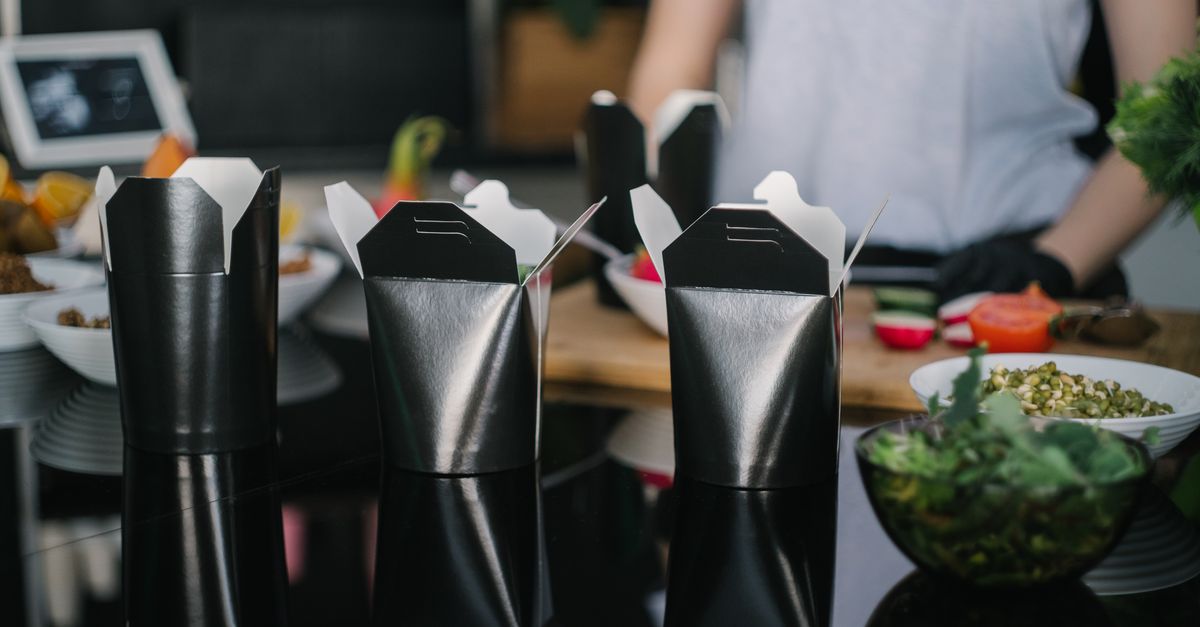
We’ve all been there: staring into an empty fridge after a long day, the thought of cooking feeling like an insurmountable mountain. Then, the siren song of meal delivery services fills your social feeds: perfectly portioned ingredients, exotic recipes, zero planning required. You sign up, full of optimism, imagining a future of effortless, healthy dinners. For a few weeks, it’s a dream. You’re cooking new things, eating well, and feeling like you’ve finally cracked the code to easy weeknight meals.
But then, slowly, the cracks appear. The novelty wears off. Some recipes feel too complicated, others too bland. The packaging piles up, a guilt-inducing monument to your consumption. That initial rush of convenience gives way to frustration, until one day, you realize those expensive boxes are sitting untouched, eventually making their way into the bin. You cancel, feeling defeated, and revert to your old habits, convinced that ‘easy healthy eating’ is a myth. In my experience, this cycle is incredibly common, and it’s not your fault. Most meal delivery services are designed to hook you, not to integrate seamlessly and sustainably into your actual life.
Key Takeaways
- Most meal delivery services offer an illusion of convenience without building sustainable cooking skills or flexibility.
- The high cost, excessive packaging, and limited customization often lead to subscription fatigue and cancellation.
- A ‘Strategic Hybrid’ approach combines targeted meal kit use with smart grocery shopping and batch cooking for lasting success.
- Focus on services that offer flexible plans, diverse menus, and the option to select specific meals or skip weeks easily.
- Integrate meal kit recipes into your personal cookbook to build a repertoire of go-to healthy meals for the long term.
The Illusion of Effortless Eating: What Goes Wrong
The fundamental promise of meal delivery services is a shortcut to healthy, home-cooked meals. No shopping, no planning, just assembly. And initially, this holds true. However, this ‘effortless’ facade often masks several core problems that lead to subscriber churn. The biggest issue, in my opinion, is that these services rarely teach you to cook or plan independently. They create a dependency, not a capability. When you’re constantly relying on pre-portioned ingredients and step-by-step instructions, you’re not internalizing the skills of ingredient selection, flavor pairing, or efficient meal planning that truly make home cooking sustainable. You’re simply following a script. The moment that script becomes inconvenient or unappealing, you’re left without the underlying tools to adapt.
Think about it: how many times have you genuinely recreated a meal kit recipe from scratch, buying all the ingredients yourself? Probably not many. You learn to assemble, but not to invent or even improvise. This means that when you inevitably pause or cancel, you’re back at square one, no closer to solving your original ‘what’s for dinner?’ dilemma than you were before. The goal should be to empower you with lasting habits, not just temporary fixes.
The Hidden Costs Beyond the Sticker Price
The most obvious hidden cost is financial. While introductory offers make these services seem affordable, the weekly price for two or three meals for two people can quickly add up to hundreds of dollars a month. Compared to buying groceries and cooking from scratch, it’s often significantly more expensive, sometimes double or triple the cost per meal. For many, this becomes unsustainable, especially when the novelty wears off and the perceived value diminishes. I’ve seen countless friends sign up, only to realize their weekly food budget has spiraled out of control.
Beyond the monetary cost, there’s the environmental toll. The sheer volume of packaging – insulated boxes, ice packs, plastic bags for every herb, tiny plastic containers for sauces – is astounding. While many services claim their packaging is recyclable, the reality of local recycling infrastructure often means much of it ends up in landfills. For those who care about their environmental footprint, this can become a major source of cognitive dissonance and guilt, eventually outweighing the convenience. It’s a classic case where the upfront benefit obscures the long-term, broader impact.
Why Customization and Flexibility are Often an Illusion
Many services boast customization, but in practice, it often falls short. You might be able to swap out one protein for another or choose from a limited selection of ‘low-carb’ options, but true flexibility is rare. What happens when you suddenly have an unexpected dinner guest? Or when you’re craving something completely different? Or when you realize a key ingredient in next week’s box is something you genuinely dislike, but you’re locked into the selection?
In my experience, this lack of genuine control over your menu, combined with rigid delivery schedules and cancellation policies, can quickly become more of a hassle than a help. You’re forced to plan around the service, rather than the service adapting to your life. This friction leads to forgotten boxes, wasted food, and ultimately, a canceled subscription. The goal of a meal solution should be to simplify your life, not add another layer of logistical complexity.
The ‘Strategic Hybrid’ Approach: What Actually Works
Instead of an all-or-nothing approach, I advocate for a Strategic Hybrid model. This is what truly changed my relationship with meal delivery services and made them a valuable tool, not a dependency. The idea is to leverage the best aspects of meal kits – recipe inspiration and perfectly portioned ingredients for specific, challenging meals – while maintaining control over the bulk of your cooking and grocery shopping.
Here’s how it works: I’d subscribe to a service for a few weeks, specifically targeting those times when I knew my schedule would be insane, or when I wanted to try a particularly elaborate recipe that I wouldn’t normally attempt from scratch. For example, if I wanted to master a complex Indian curry or a delicate French dish, a meal kit provided all the niche ingredients and precise steps without having to buy a whole jar of an obscure spice I might never use again. Once I got the hang of it, I’d then save the recipe card and buy the individual ingredients myself the next time. This way, the meal kit served as a learning tool and a special treat, not a crutch. I’d then pause or cancel the subscription, returning to my regular grocery runs and batch cooking for the majority of my meals. This selective use maximizes the benefits while minimizing the costs and waste, helping you build a personal recipe repertoire and actual cooking confidence.
Mastering the Meal Kit Selection and Integration
If you’re going to use meal delivery services, do so with intention. Don’t just pick the first one with the best discount. Look for services that offer:
- Genuine Flexibility: Can you skip weeks easily? Can you swap meals or customize ingredients beyond a basic protein change? Look for services with apps that make management simple, so you’re not stuck with a box you don’t need or want.
- Diverse and Inspiring Menus: Choose a service that consistently offers meals you genuinely want to learn to cook or that introduce you to new cuisines and ingredients. This is where the learning value comes in. If the meals are just reheated versions of what you already make, you’re missing the point.
- Ingredient Quality & Sourcing Transparency: Since you’re paying a premium, ensure the ingredients are high quality and, if possible, ethically sourced. Some services excel here more than others.
- Recipe Integration Strategy: This is crucial. When a meal kit arrives, commit to treating it not just as a one-off dinner, but as a potential addition to your permanent recipe collection. Take notes on what you liked, what you’d change, and what shortcuts you can apply next time. Physically save the recipe cards in a binder or digitize them. Over time, this builds a personal cookbook of tried-and-true winners.
For example, I recently discovered a fantastic mushroom stroganoff recipe from a meal kit. The recipe introduced me to using dried porcini mushrooms for an incredible depth of flavor. Now, I regularly buy those mushrooms and make the dish from scratch, having learned a new technique and ingredient. This is how you convert a temporary convenience into lasting culinary expertise.
Batch Cooking and Smart Grocery Shopping: The Foundation
The Strategic Hybrid model only works if you have a solid foundation of independent cooking skills. This means embracing batch cooking and smart grocery shopping for your everyday meals. Batch cooking involves dedicating a few hours, usually on a Sunday, to prepare components or entire meals that can be eaten throughout the week. This might include chopping vegetables, cooking a large batch of grains (quinoa, rice), roasting chicken, or making a big pot of soup.
Pair this with smart grocery shopping, where you plan your meals before you shop, focusing on versatile ingredients and minimizing food waste. For instance, if a meal kit calls for half an onion, you should have a plan for the other half in your regular cooking. By combining these core habits with selective meal kit use, you gain the best of both worlds: convenient bursts of culinary exploration without sacrificing financial prudence, environmental responsibility, or genuine cooking independence. The key is to see meal kits as a supplement to your cooking journey, not a replacement for it.
Frequently Asked Questions
Q: Are meal delivery services really more expensive than buying groceries?
A: Generally, yes. While they save on shopping time, the cost per portion is almost always higher than purchasing the same ingredients from a grocery store. This premium covers the convenience of pre-portioned ingredients, recipe development, and delivery. It’s essential to compare the weekly cost of a meal service to your average grocery bill for similar meals to see the true difference for your budget.
Q: How can I reduce the environmental impact of meal delivery packaging?
A: Many services now offer information on how to recycle their packaging components. However, local recycling capabilities vary. To truly reduce impact, prioritize services that use minimal packaging, biodegradable materials, or have return programs for reusable components. Beyond that, consider using meal kits sparingly, as part of a hybrid approach, rather than as your primary food source, to limit overall waste.
Q: Can meal delivery services help me learn to cook?
A: They can, but primarily in a ‘follow-the-instructions’ manner. To truly learn to cook, you need to actively engage with the recipes, understand ingredient functions, and practice improvisation. A good strategy is to save recipes you enjoy, identify new techniques or ingredients, and then try recreating them from scratch using store-bought ingredients. This moves you from assembly to actual culinary skill-building.
Q: What’s the best way to choose a meal delivery service if I want to try one?
A: Focus on your specific goals. If it’s convenience, look for minimal prep. If it’s learning new recipes, prioritize diverse and inspiring menus. If it’s dietary needs, ensure robust customization options. Always check cancellation policies and customer reviews regarding flexibility, ingredient quality, and packaging. Start with a shorter subscription to test it out before committing long-term.
Q: How do I ensure I don’t waste unused meal kit ingredients?
A: Plan ahead. Before your box arrives, review the recipes and identify any perishable ingredients you might not use up. For example, if a recipe only calls for half a bell pepper, plan another meal for that week using the other half. If you find yourself consistently wasting specific ingredients from a service, it might be a sign that it’s not the right fit for your cooking style or that you need to adjust your personal meal planning to incorporate those items.
Conclusion
Meal delivery services offer a seductive promise of effortless, healthy eating. While they can provide a temporary reprieve from meal planning fatigue and introduce you to new recipes, their inherent limitations in cost, packaging, and true flexibility often lead to the same old cooking struggles. The key to sustainable eating isn’t an external service, but a mindset shift that empowers you with skills and flexibility. By adopting a Strategic Hybrid approach – using meal kits selectively for inspiration and convenience, while grounding your everyday eating in smart grocery shopping and batch cooking – you can finally build a repertoire of healthy, enjoyable meals that truly fit your life, without the hidden costs or the guilt.
Est. reading time: 12 min read
Filed By
Sophia Ramirez
Health & Wellness
A health and wellness writer passionate about accessible strategies for physical and mental well-being.