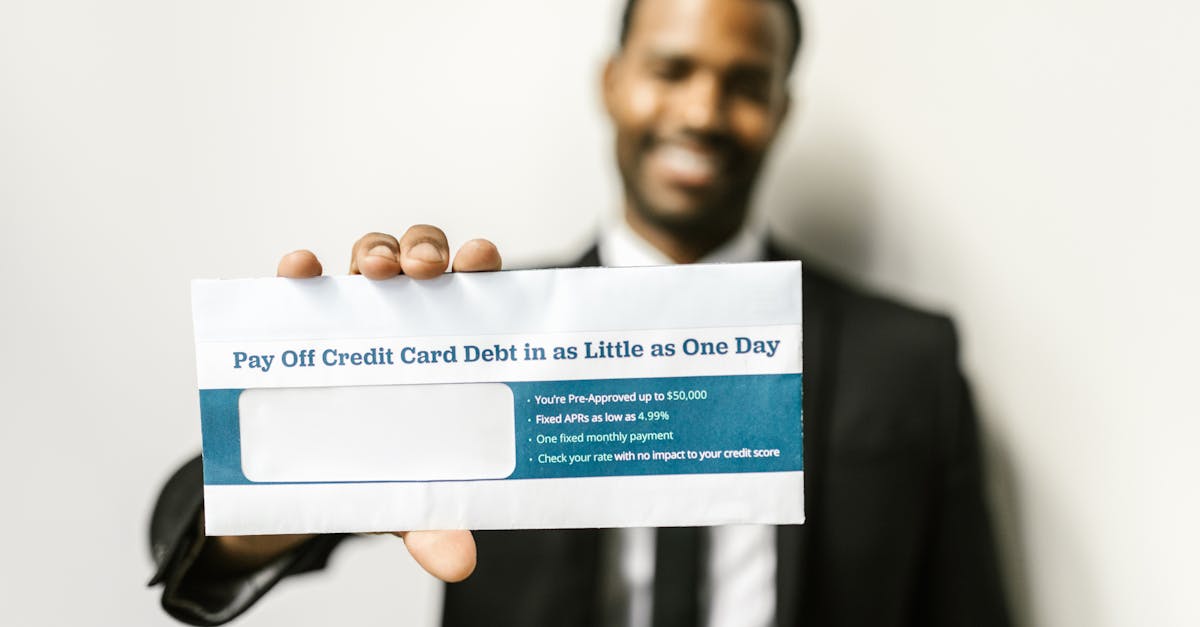
You’re staring at a loan application, eyes glazing over as you scroll past the ‘credit score’ section. Maybe you’re hoping for a new car, eyeing a better mortgage rate, or even just trying to get that apartment you love. Then, the rejection or the unexpectedly high interest rate hits. The bank tells you your credit score isn’t where it needs to be, but they don’t tell you why or, more importantly, how to fix it. You’ve paid your bills on time, you think, so what gives?
This isn’t just about getting approved; it’s about accessing better rates, lower insurance premiums, and even making it easier to rent a place or get a cell phone plan. A strong credit score is your financial passport, opening doors and saving you thousands of dollars over your lifetime. Yet, many people feel utterly lost, making common mistakes that sabotage their progress without even realizing it. They follow outdated advice, get trapped by myths, or simply don’t understand the underlying mechanics of how credit truly works. The mistake I see most often isn’t a lack of effort, but a misdirection of effort.
Key Takeaways
- Focusing solely on paying bills on time is insufficient; credit utilization and age of accounts are equally critical factors.
- Opening too many new credit lines or closing old accounts can significantly harm your score, even if you manage them well.
- A strategic approach to credit card use, including diverse credit types, is more effective than avoiding credit entirely.
- Regularly monitoring your credit report for errors and understanding the scoring model are essential for proactive improvement.
The Myth of ‘Just Pay Your Bills on Time’ and the Truth About Credit Utilization
When I first started out, like many, I thought building a great credit score was as simple as paying my credit card bill every month. I did that religiously. My parents drilled it into me: ‘Never miss a payment!’ And while that’s foundational, it’s far from the whole story. I remember applying for my first car loan, confident my perfect payment history would grant me the lowest rate. I was shocked to find my rate was higher than some of my friends who had missed a payment or two in the past but seemed to have better credit scores overall. What changed everything for me was understanding credit utilization.
Credit utilization is the ratio of your outstanding credit card balances to your total available credit. It’s often the single most overlooked factor, yet it accounts for roughly 30% of your FICO score. Think of it this way: if you have a credit card with a $5,000 limit and you consistently carry a $4,000 balance, your utilization is 80%. Even if you pay that $4,000 off in full every month, the credit bureaus often record the balance reported by your issuer, which might be the high balance just before your statement closes. Lenders see that 80% and get nervous. It signals that you might be relying too heavily on credit, even if you’re capable of paying it off.
What actually works: Aim to keep your credit utilization below 30% across all your cards, and ideally even lower, closer to 10% for optimal scores. For example, if you have a total credit limit of $20,000 across all your cards, try to keep your combined balances under $6,000. If you have a large purchase, consider making a payment before your statement closing date to reduce the reported balance. Better yet, if you can, pay down large balances significantly or entirely before that date. This proactive management, rather than just waiting for the due date, can have a dramatic impact on your reported utilization and, consequently, your score. I started using a strategy where I’d pay off big purchases mid-cycle instead of waiting for the statement, and within a few months, I saw a noticeable bump in my score, even though my payment history hadn’t changed.
The Hidden Damage of Opening (and Closing) Too Many Accounts
Many people, in an attempt to build credit quickly or chase rewards, fall into the trap of opening multiple new credit cards within a short period. I once had a colleague who, upon learning his score was mediocre, applied for three new cards in a single month, hoping more available credit would instantly boost his score. He ended up with the opposite effect. Similarly, I’ve seen others close older accounts, thinking they’re ‘cleaning up’ their credit, only to inadvertently harm their score.
Each time you apply for new credit, a ‘hard inquiry’ is placed on your report. While one or two inquiries won’t make a huge dent, a flurry of them in a short period signals to lenders that you might be desperate for credit or taking on too much debt, making you appear riskier. This component, ‘new credit,’ accounts for about 10% of your FICO score.
Equally detrimental, though less intuitive, is closing old accounts. The ‘length of credit history’ factor accounts for about 15% of your score. Your oldest account significantly contributes to the average age of all your accounts. When you close an old, well-maintained credit card, you not only reduce your total available credit (potentially increasing your utilization ratio on other cards) but also shorten the average age of your credit history. That account, even if rarely used, is a testament to your long-term responsible credit behavior.
What actually works: Be strategic and patient. Only apply for new credit when you genuinely need it and have a clear plan for its use. Space out applications by at least six months, if possible. If you have old credit cards you no longer use, don’t close them. Instead, keep them open with a small, recurring charge (like a streaming service) that you pay off automatically each month. This keeps the account active and contributing positively to your credit age and available credit without risk of misuse. For example, I have a few old store cards from my college days that I rarely use. Instead of closing them, I put a $10 monthly subscription on each and set up auto-pay from my bank account. It keeps them alive and contributing positively to my credit history for minimal effort.
The Power of Diverse Credit: More Than Just Credit Cards
A common misconception is that a credit card is the only tool needed to build credit. While credit cards are crucial, having a diverse mix of credit types demonstrates your ability to manage different kinds of debt responsibly. This factor, ‘credit mix,’ makes up about 10% of your FICO score.
Many individuals either stick to just one type of credit (usually revolving credit like credit cards) or, worse, avoid credit altogether. I knew a brilliant engineer who, proud of being debt-free, paid cash for everything. When he finally went to buy a house in his late 30s, he discovered he barely had a credit score because he had no credit history to speak of. His financial prudence was admirable, but it didn’t translate into a robust credit profile for lenders.
Lenders want to see that you can handle both revolving credit (like credit cards, where the amount you owe can vary each month) and installment credit (like car loans, mortgages, or student loans, where you borrow a fixed amount and make fixed payments over a set period). Successfully managing both shows a broader capability to handle financial obligations.
What actually works: Once you’ve established a solid foundation with a credit card (or two), consider diversifying your credit portfolio if and when it makes sense for your life goals. This doesn’t mean taking out loans you don’t need. For instance, if you’re planning to buy a car in the next few years, taking out a small, manageable car loan and making consistent payments will add a strong installment credit entry to your report. Student loans, though often burdensome, also contribute positively if paid on time. If you’re struggling to get started, a credit-builder loan from a credit union can be an excellent stepping stone, allowing you to pay into a locked savings account which is then released to you, reporting positive payment history along the way. In my own journey, after establishing a couple of credit cards, my first student loan (which I paid diligently) significantly rounded out my credit mix and gave my score another boost.
Proactive Monitoring and Error Correction: Be Your Own Advocate
Even if you follow all the best practices, your credit score isn’t entirely immune to external factors. Errors on your credit report are surprisingly common, and they can drag your score down without you ever knowing it. I once discovered an old, paid-off medical bill that had erroneously been reported as delinquent on my credit report. It had been sitting there for months, silently suppressing my score, and I only caught it because I made it a habit to check my reports regularly.
Credit bureaus are massive data aggregators, and mistakes happen – whether it’s a transposed number, an account belonging to someone with a similar name, or an old debt incorrectly resurfacing. These errors can significantly impact your ‘payment history’ (which is 35% of your FICO score) and ‘amounts owed’ (30% of your FICO score) categories, even if your personal financial habits are perfect.
What actually works: Get into the habit of reviewing your credit reports from all three major bureaus (Equifax, Experian, and TransUnion) at least once a year. You’re legally entitled to a free report from each annually via AnnualCreditReport.com. Look for unfamiliar accounts, incorrect payment statuses, incorrect personal information, and any accounts that don’t belong to you. If you find an error, dispute it immediately with the credit bureau and, if necessary, with the creditor. Document everything. This proactive approach ensures that your hard work isn’t undone by bureaucratic slip-ups. What changed everything for me was realizing I wasn’t just a passive recipient of a score; I had the power to audit and correct the information that determined it. This vigilance is a cornerstone of maintaining an excellent credit score over the long term.
Understanding the FICO Scoring Model: Your Blueprint for Success
Many people treat their credit score like a mysterious, unchangeable force, when in reality, it’s a calculation based on specific, weighted factors. Lenders primarily use FICO scores, which range from 300 to 850. Knowing these components is like having the blueprint to optimize your home; you know exactly which areas need attention.
Without understanding the weight of each factor, you might prioritize paying down a tiny balance on one card (which has minimal impact) over addressing a high utilization ratio on another (which has a huge impact). I remember a friend agonizing over a small, lingering balance on an old store card while simultaneously maxing out his primary card every month. He was focusing his energy on the least impactful area. The mistake I see most often is a lack of understanding of the scoring model itself, leading to misdirected efforts.
What actually works: Internalize the five key factors of your FICO score and their approximate weights:
- Payment History (35%): This is the most crucial. Always pay on time, every time. Even one late payment can stay on your report for seven years and significantly damage your score.
- Amounts Owed / Credit Utilization (30%): Keep your balances low relative to your credit limits. As discussed, below 30% is good; below 10% is excellent.
- Length of Credit History (15%): The longer your history of responsible credit use, the better. Don’t close old accounts.
- Credit Mix (10%): A healthy mix of revolving (credit cards) and installment (loans) credit is ideal.
- New Credit (10%): Limit how often you apply for new credit to avoid too many hard inquiries in a short period.
By focusing your efforts strategically on the factors with the highest impact, you can build and maintain an excellent credit score much more efficiently. For me, creating a simple mental checklist based on these percentages helped me prioritize my financial actions and avoid wasted effort. Understanding these weights is like having the rules to the game, allowing you to play more effectively rather than just guessing.
Frequently Asked Questions
Q: Is it better to avoid credit cards completely to have good credit?
A: No, this is a common misconception. While avoiding debt is a good financial principle, avoiding credit cards entirely means you won’t build a credit history. Lenders need to see a track record of responsible borrowing to assess your creditworthiness. Without any credit, you’ll find it difficult to get loans, mortgages, or even some rental agreements.
Q: How long does it take to build a good credit score?
A: Building a good credit score takes time and consistent, responsible behavior. Typically, it takes at least 6-12 months of active credit use (e.g., a credit card paid on time) to establish a basic credit file. To reach ‘good’ (670-739) or ‘excellent’ (740-850) scores, you’re usually looking at 2-5 years of consistent positive activity across multiple accounts.
Q: Does checking my own credit score hurt it?
A: No, checking your own credit score (a ‘soft inquiry’) does not affect your score. You can check it as often as you like through various free services or your credit card issuer. What does affect your score are ‘hard inquiries’ made by lenders when you apply for new credit, which typically shave a few points off for a short period.
Q: What’s the fastest way to improve a bad credit score?
A: The fastest way to improve a bad credit score is to address the underlying issues directly. Prioritize paying all bills on time, especially credit card payments. If you have high credit utilization, focus on paying down balances to below 30% (or even 10%). Dispute any errors on your credit report immediately. While there’s no magic bullet, these actions have the most immediate and significant impact.
Q: Should I close old credit cards I don’t use anymore?
A: Generally, no. Closing old credit cards can negatively impact your credit score in two main ways: by reducing your total available credit (thus increasing your credit utilization ratio on other cards) and by shortening the average age of your credit history. It’s usually better to keep old cards open, even if you only use them for a small, recurring charge once a year to keep them active, and pay them off in full.
Building a strong credit score isn’t about quick fixes or avoiding credit altogether; it’s about understanding the system and playing the long game with strategic, consistent action. By focusing on your credit utilization, maintaining diverse and aged accounts, and actively monitoring your reports, you’re not just improving a number—you’re opening doors to significant financial advantages. Start by checking your credit reports for free, today, and identify one area you can improve based on the FICO factors.
Est. reading time: 18 min read
Filed By
Marcus Chen
Personal Finance & Budgeting
An experienced financial journalist dedicated to demystifying personal finance for everyday people.