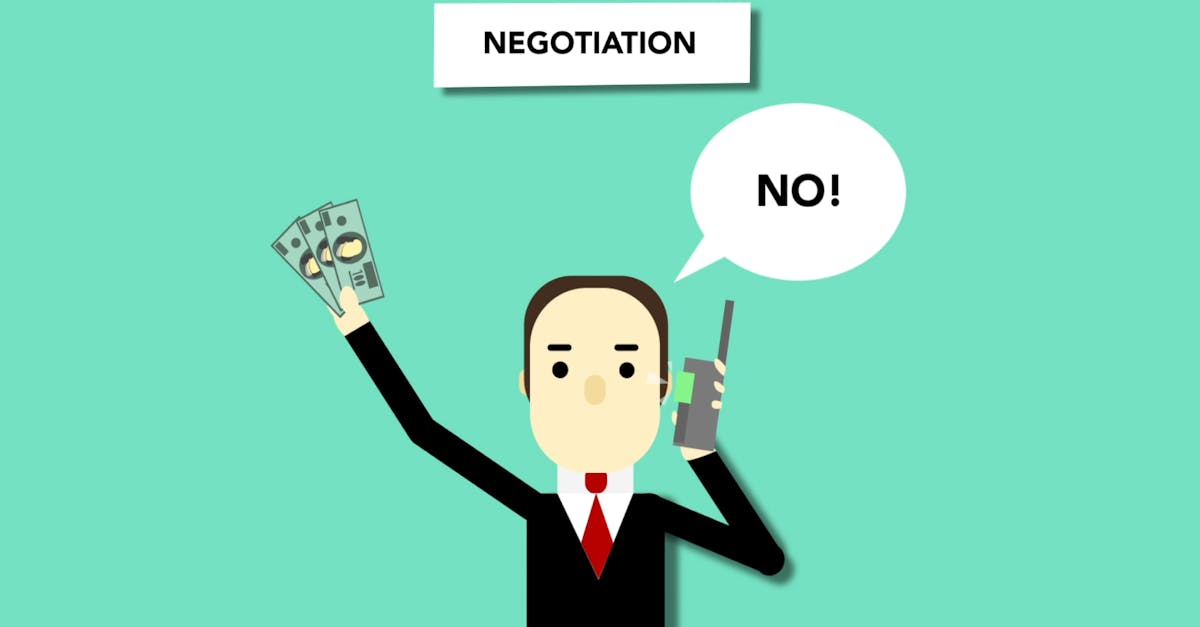
You’ve just aced the interviews. The company loves you. They’re ready to extend an offer. Your heart races a little with excitement. Then, the number comes in. It’s… okay. Maybe even good. But you have a nagging feeling it could be better. You remember hearing that you should always negotiate, so you send a polite email asking for a little more. Maybe you get a small bump, maybe you don’t. And then you wonder if you left money on the table, if you could have done more. This scenario plays out daily, and for most people, it’s a missed opportunity to significantly impact their financial future.
In my experience, the biggest mistake people make isn’t just failing to negotiate, but how they approach it. They treat it like a one-off request, a simple back-and-forth, rather than a strategic conversation. They focus on immediate gratification over long-term value. This narrow view often leads to underwhelming results, leaving thousands, even tens of thousands, of dollars on the table over the course of a career. What changed everything for me, and for countless clients I’ve advised, was shifting the perspective from asking for more to demonstrating more, and structuring the conversation with a clear, multi-phase framework. This isn’t about being aggressive; it’s about being informed, confident, and prepared.
Key Takeaways
- Most people fail at salary negotiation by treating it as a single request rather than a strategic, multi-phase process.
- True negotiation success hinges on thorough research, demonstrating unique value, and leveraging multiple components beyond just base salary.
- The optimal negotiation begins before the offer, continues through a structured discussion, and concludes with a clear, documented agreement.
- Cultivate a mindset of partnership and problem-solving, not confrontation, to secure the best outcomes.
The Fatal Flaw: Why Your Current Negotiation Tactics Fall Short
Many of us walk into salary negotiations with a set of common, yet largely ineffective, strategies. The first is the one-shot ask. You receive an offer, you reply with a higher number, and you hope for the best. This approach completely bypasses the opportunity to understand the company’s full compensation philosophy, their budget constraints, or what levers you might actually be able to pull. It’s like throwing a dart in the dark. You might hit something, but it’s rarely the bullseye.
Another common misstep is focusing solely on base salary. While base pay is undoubtedly crucial, it’s only one piece of the total compensation puzzle. Companies often have flexibility in other areas like signing bonuses, performance bonuses, equity (stock options or RSUs), relocation packages, professional development budgets, vacation time, and even flexible work arrangements. By fixating on base salary alone, you limit your potential gains and miss out on components that could be equally, if not more, valuable to your overall satisfaction and financial well-being. I once worked with a client who negotiated an extra 5 vacation days and a $10,000 professional development budget instead of a higher base salary, because those elements were more important to her work-life balance and career growth at that specific stage.
Finally, a major failing is the lack of pre-offer negotiation. The seeds of a successful negotiation are planted long before an offer letter arrives. If you wait until you have a number in hand to start thinking about your worth, you’re already at a disadvantage. My experience shows that the most effective negotiators start gathering information, subtly signaling their value, and setting expectations during the interview process itself. This proactive approach flips the script, positioning you not just as a candidate, but as a valuable asset they need to invest in.
Phase 1: Pre-Offer Positioning – Laying the Groundwork for a Strong Offer
The real negotiation begins long before you receive an offer. This pre-offer phase is about intelligence gathering, value articulation, and expectation setting. Do not disclose your current or desired salary first. This is perhaps the most critical rule. When asked about salary expectations, deflect gracefully. Something like, I'm more focused on finding the right role and company fit, and I'm confident that if we're a match, we'll find a compensation package that works for both of us. Can you tell me more about the compensation range for this role? This puts the onus on them and gives you valuable information.
During interviews, articulate your unique value proposition with specific, quantifiable achievements. Instead of saying, I'm a good project manager, say, I led a cross-functional team that delivered Project X three weeks ahead of schedule, saving the company an estimated $50,000 in overtime costs. Connect your skills directly to the company’s stated needs and the problems this role is designed to solve. Research industry benchmarks on sites like Glassdoor, LinkedIn Salary, and Payscale, but also look for specific data points for companies of a similar size, industry, and location. Aim for a target range, but don’t commit to it.
Crucially, ask strategic questions throughout the interview process that reveal the company’s compensation structure and potential flexibility. For example: What does success look like in this role in the first 6-12 months? (Helps you understand performance metrics). What are the opportunities for professional development and growth within the company? (Identifies non-salary benefits). How is performance typically reviewed and rewarded? (Gauges bonus structure and future raises). By the time an offer is extended, you should have a solid understanding of the role’s value to the company, your unique fit, and a realistic market range.
Phase 2: The Offer Response – Defer, Deliberate, and Counter Strategically
When the offer comes, resist the urge to react immediately. Your immediate response should always be enthusiastic but non-committal on the numbers. Express genuine gratitude and excitement for the offer and the opportunity. Then, state clearly that you need time to review it thoroughly. A simple, Thank you so much for this offer, I'm very excited about the opportunity! I'd love to take 24-48 hours to review the details and get back to you with any questions. This allows you to regain composure, analyze the offer, and formulate a thoughtful counter-proposal.
During this deliberation period, compare every component of the offer against your research and your personal value hierarchy. Don’t just look at base salary. Break down bonuses, equity, benefits (health, dental, vision), PTO, 401k match, professional development, and any other perks. Prioritize what matters most to you. Is it more vacation? A higher signing bonus to cover relocation? More equity for long-term growth? This self-reflection is critical. I’ve seen individuals accept offers only to realize later that a slightly lower base salary with superior benefits or flexible work arrangements would have been far more aligned with their life goals.
When you’re ready to counter, do it professionally and confidently, ideally over the phone. Start by reiterating your excitement for the role and the company. Then, present your counter-proposal clearly, backed by your research and your demonstrated value. Frame it as a mutual win: Based on my research into similar roles in this market, my unique experience in X, Y, and Z, and the significant impact I believe I can make on A, B, and C, I'm looking for a total compensation package closer to [Your Target Range]. Specifically, I'd like to propose a base salary of [Specific Number] and [mention one or two other key components like a higher signing bonus or additional vacation]. Be specific, be firm, but remain collaborative. Be prepared for a counter-counter or for them to ask you to prioritize your requests. Always have your top 2-3 negotiable items ready.
Phase 3: The Final Agreement – Confirming Details and Securing Your Future
Once you’ve reached a verbal agreement, it’s imperative to get everything in writing. Do not resign from your current position or make any irreversible decisions until you have a revised offer letter reflecting all the agreed-upon terms. This includes base salary, bonuses (structure, targets, and payout frequency), equity grants (number of shares, vesting schedule, strike price), vacation days, start date, title, reporting structure, and any special perks like relocation assistance or professional development budgets. The devil is in the details, and a verbal agreement is not legally binding.
Review the final offer letter meticulously. Compare it line by line against your notes from the verbal negotiation. If there are any discrepancies, no matter how small, bring them up immediately and respectfully. I just want to confirm, the offer letter states X, but we discussed Y. Can we get that updated? This is not being nitpicky; it’s ensuring clarity and protecting your interests. A lack of clarity now can lead to significant headaches and disappointments later.
Finally, when you’re satisfied that all terms are accurately reflected, accept the offer in writing. Maintain a positive and professional demeanor throughout this final stage. Remember, you’re not just negotiating for this job; you’re setting a precedent for future reviews, promotions, and opportunities within the company. A well-executed negotiation builds respect and trust, positioning you as a valuable, self-aware professional from day one.
Frequently Asked Questions
What if the company asks for my salary expectations early in the process?
Politely deflect by stating you’re more interested in finding the right fit and company culture, and you’re confident that if there’s a match, compensation will be fair. Pivot by asking about the company’s range for the role. Never give a number first, as it sets an anchor they’ll likely stick to.
Is it okay to negotiate for more than just base salary?
Absolutely. In fact, it’s often more effective. Many companies have less flexibility on base salary but more on signing bonuses, equity, vacation time, professional development, or even flexible work arrangements. Think holistically about your total compensation package.
How much higher than the initial offer should I counter?
There’s no universal rule, but a common range for a counter-offer is 10-20% above the initial offer, provided it’s supported by market research and your unique value. Be realistic but confident. Focus on a specific number, not a range, for your counter-proposal.
What if they say there’s no room for negotiation?
First, express understanding and then ask, I understand, and I'm very excited about the opportunity. To help me make a decision, is there any flexibility on other components of the package, such as a signing bonus, additional vacation, or professional development budget? Sometimes, ‘no’ to base salary doesn’t mean ‘no’ to everything else. If all else fails, consider if the offer still aligns with your career goals and minimum acceptable compensation.
Should I accept an offer immediately if it’s good?
Always ask for time to review the offer, typically 24-48 hours. This allows you to avoid emotional decisions, thoroughly review all components, and formulate a thoughtful response. Even if you plan to accept, taking a brief pause shows professionalism.
The Investment in Yourself Pays Dividends
Mastering salary negotiation isn’t about being greedy; it’s about understanding your worth, communicating it effectively, and securing the compensation that aligns with your skills and market value. The difference between accepting an initial offer and strategically negotiating a higher one isn’t just a few extra dollars; it’s often tens of thousands over the course of a career, impacting everything from your savings and investments to your overall quality of life. By adopting this three-phase framework – pre-offer positioning, strategic response, and meticulous agreement – you transform a potentially intimidating conversation into a powerful opportunity. Start today by researching your market value and practicing how you’ll articulate your unique contributions. Your financial future will thank you for it.
Est. reading time: 18 min read
Filed By
Eleanor Vance
Productivity & Time Management
A former lifestyle editor with a keen eye for efficiency and personal development.