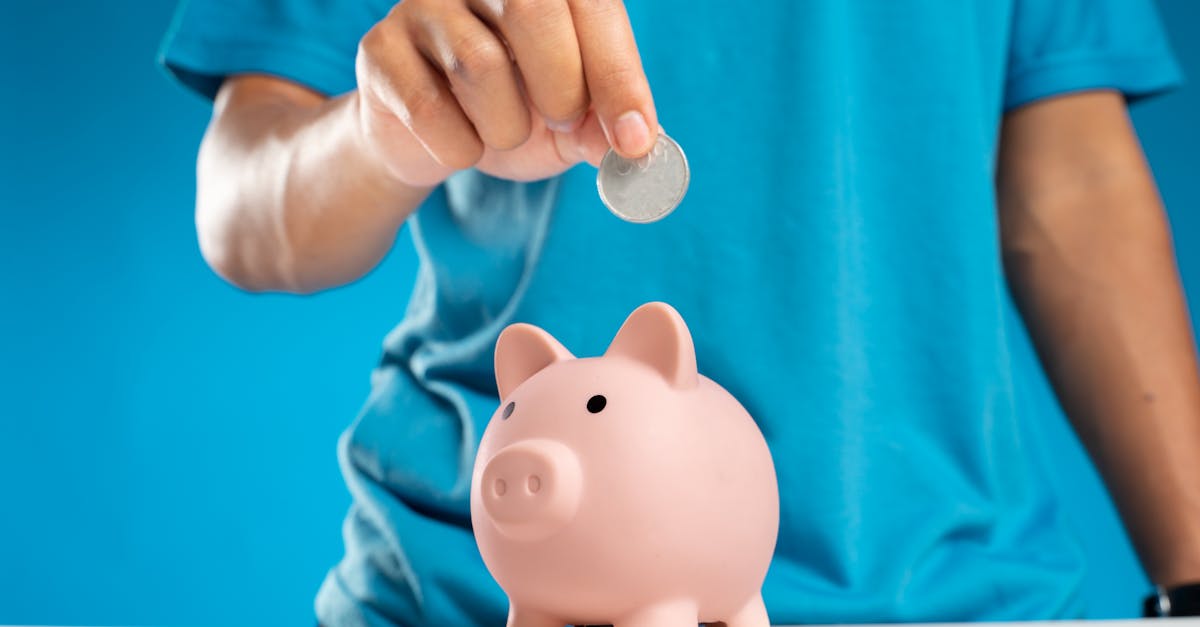
When I first started seriously looking at my finances, the advice was always to save ‘as much as you can.’ While well-intentioned, that vague guidance felt overwhelming and left me paralyzed. I’d try to sock away 10% here, 20% there, only to fall off the wagon when an unexpected expense or a tempting splurge came along. What truly changed everything for me wasn’t aiming for a high, unattainable percentage right out of the gate, but rather committing to a seemingly small, consistent 2% savings rate. It sounds insignificant, doesn it? Yet, in my experience, that tiny, consistent commitment created a fundamental shift in my financial habits and trajectory that far outstripped any aggressive, short-lived savings spree.
Most people view a savings rate as a static goal, like hitting 15% or 20% of their income. They see it as a destination. The mistake I see most often is treating savings as an all-or-nothing endeavor. If they can’t save a substantial chunk, they save nothing. This thinking is a trap. What changed everything for me was realizing that the act of consistently saving, even a modest amount, builds a psychological muscle and an automated system that is far more powerful than any initial percentage target. A 2% commitment is low enough to be painless, yet significant enough to force a system into place. It’s not about the initial number; it’s about the sustainable habit and the ripple effect it creates.
Key Takeaways
- Consistently saving 2% of your income establishes a foundational financial habit that builds momentum over time.
- Automate your 2% savings immediately to remove friction and ensure consistent contributions without conscious effort.
- Focus on the behavioral shift and system creation rather than fixating on a high initial savings percentage.
- Use the initial 2% as a launchpad to gradually increase your savings as your financial comfort and income grow.
The Psychology of the ‘Tiny Win’ That Drives Lasting Change
One of the most profound lessons I’ve learned in personal finance is the power of a ‘tiny win.’ When you aim for a massive goal, like saving 30% of your income when you’re accustomed to saving nothing, your brain immediately flags it as daunting and unattainable. This triggers resistance and often leads to giving up before you even start. In my experience, setting a seemingly minuscule goal, like 2%, bypasses this resistance entirely. It’s so small that your brain thinks, ‘Sure, I can do that.’
Here’s why this psychological trick works: once you consistently hit that 2% mark for a few weeks or months, you start to feel successful. That feeling of success is incredibly motivating. It rewires your brain to view saving as something you can do, rather than something you fail at. This positive feedback loop is crucial for building any lasting habit. When I started with 2%, I was less focused on the amount itself and more on the simple act of seeing the money move into a separate account, month after month. It wasn’t about deprivation; it was about demonstrating to myself that I could indeed control a small portion of my income. This initial success provided the confidence and momentum to eventually increase that percentage, but it would have never happened if I had tried to jump straight to 15% and inevitably failed.
Automate the 2% Immediately for Frictionless Progress
The single most critical step to making a 2% savings rate a trajectory shift rather than a fleeting goal is automation. This is not optional; it’s fundamental. If you rely on willpower or remembering to transfer money at the end of the month, it simply won’t happen consistently. Life gets in the way. Bills arrive, social plans pop up, and that 2% will inevitably get spent.
What changed everything for me was setting up an automatic transfer the very next payday. For instance, if I earned $4,000 net every two weeks, I’d set up an automatic transfer of $80 ($4,000 0.02) to a separate savings account that’s explicitly designated for my future. This account isn’t for emergencies (that’s a different fund); it’s for long-term growth or a specific financial aspiration, like a down payment or investing. The key is to make it an ‘out of sight, out of mind’ transaction. Once that money leaves your checking account automatically, you mentally adjust your available spending money. You don’t miss it because you never really saw it asyours* to spend in the first place.
This immediate automation does two things: first, it guarantees consistency, which is the cornerstone of habit formation. Second, it reduces decision fatigue. You don’t have to debate whether to save or not; the decision has already been made for you. In my experience, this hands-off approach makes the 2% feel less like a sacrifice and more like a built-in part of my financial infrastructure.
From 2% to a “Savings Snowball”: The Gradual Escalation Strategy
The true power of the 2% starting point isn’t the number itself, but what it enables. Once that 2% is consistently flowing into your savings, it creates a base. It’s a ‘savings snowball’ in miniature. You’ve established the habit, proved to yourself that you can do it, and built a system. Now, you can gradually increase that percentage without the initial psychological hurdle. This is a concept I call “incrementally increasing your financial comfort zone.”
In my own financial journey, after a few months of successfully hitting 2%, I found myself looking at my budget and realizing there were small areas I could trim without feeling deprived. Perhaps I cut back on one takeout meal a month, or swapped a premium coffee for a home-brewed one a couple of times a week. Those small adjustments freed up another 1% of my income. I’d then adjust my automatic transfer to 3%. A few months later, I might find another 1% or 2%. The beauty of this approach is that each increase feels like a minor tweak, not a monumental overhaul. You’re simply expanding a comfort zone you’ve already established.
This gradual escalation is sustainable because it’s built on a foundation of success. You’re not trying to drastically change your lifestyle overnight. You’re making small, manageable adjustments, one after another, each building on the last. Over a year or two, that initial 2% can easily become 5%, 8%, or even 10% without ever feeling like a struggle. This is the trajectory shift in action: starting small to gain momentum, then letting that momentum carry you to bigger results.
Beyond the Percentage: The Mindset Shift of Intentionality
While the numerical increase in your savings rate is important, the most significant long-term benefit of starting with 2% is the profound mindset shift it fosters. When you intentionally direct a portion of your income towards your future, no matter how small, you move from a reactive approach to money to a proactive, intentional one. You stop being a passive recipient of your paycheck and start actively deciding its purpose.
For me, this meant understanding that every dollar has a job. When I first implemented the 2% rule, it forced me to confront my spending habits. Where was that 2% currently going? Often, it was simply evaporating into forgotten subscriptions, impulse purchases, or casual spending without much thought. By reclaiming that 2%, I started to view all my spending through a more critical lens. Was this purchase aligning with my values? Was it bringing me genuine satisfaction, or was it just habitual? This wasn’t about rigid budgeting, but about becoming more mindful and deliberate with my money.
This intentionality extends beyond just saving. It impacts how you approach debt, how you plan for big purchases, and even how you think about your career and income. Once you realize you have agency over your money, even a small portion, you start to see possibilities you didn’t before. The 2% is just the first domino, but it’s the one that knocks down all the others, leading to a much more empowered and strategic financial life.
Frequently Asked Questions
Is 2% really enough to make a difference?
Yes, absolutely. While 2% may not seem like a large sum, its primary purpose is to establish the habit of saving and the system of automation. The real difference it makes is psychological, building momentum and confidence to gradually increase your savings over time. It’s a powerful starting point that avoids the all-or-nothing trap.
Where should I put my 2% savings?
Initially, a separate, easily accessible high-yield savings account is ideal. The goal is to get the money out of your checking account automatically. As your savings grow and you move beyond 2%, you can explore investing in a low-cost index fund within a taxable brokerage account or a Roth IRA, depending on your financial goals and tax situation. The key is separation from your everyday spending.
What if I have debt? Should I save or pay off debt first?
This is a common dilemma. In my experience, even with debt, establishing a small, consistent savings habit (like 2%) is beneficial. It builds your financial muscle and creates a buffer. For high-interest debt (like credit cards), you should prioritize aggressively paying that off. However, maintaining a small savings habit alongside debt repayment is crucial for long-term financial health and prevents future reliance on debt.
How quickly should I increase my savings rate from 2%?
There’s no rigid timeline. The best approach is gradual and organic. After a few months of consistently hitting 2%, look for small, painless ways to trim your spending and add another 0.5% or 1%. The idea is to make each increase feel like a minor adjustment, not a sacrifice. The goal is sustainability, not speed.
What if my income is too low to even save 2%?
If 2% feels genuinely impossible right now, focus on finding even smaller, symbolic ways to start. Could you save $5 from every paycheck? Or perhaps even just the loose change from your wallet? The key is to start somewhere, anything to initiate the habit and establish the ‘tiny win’ psychological loop. Once the habit is built, you can then focus on increasing your income or optimizing your expenses to free up more for savings.
A Small Step, A New Direction
Starting your financial journey with a 2% savings rate isn’t about the destination; it’s about shifting your entire financial trajectory. It’s about building an unshakeable habit, creating a sustainable system, and fostering a mindset of intentionality that will serve you for decades to come. Don’t underestimate the power of this tiny commitment. It’s the first ripple in a pond that can lead to waves of financial freedom. If you haven’t started saving, or if previous attempts have left you feeling defeated, take that one small step today. Automate that 2%, and watch how it transforms your financial life, not just for a month or a year, but for good.
Est. reading time: 18 min read
Filed By
Marcus Chen
Personal Finance & Budgeting
An experienced financial journalist dedicated to demystifying personal finance for everyday people.