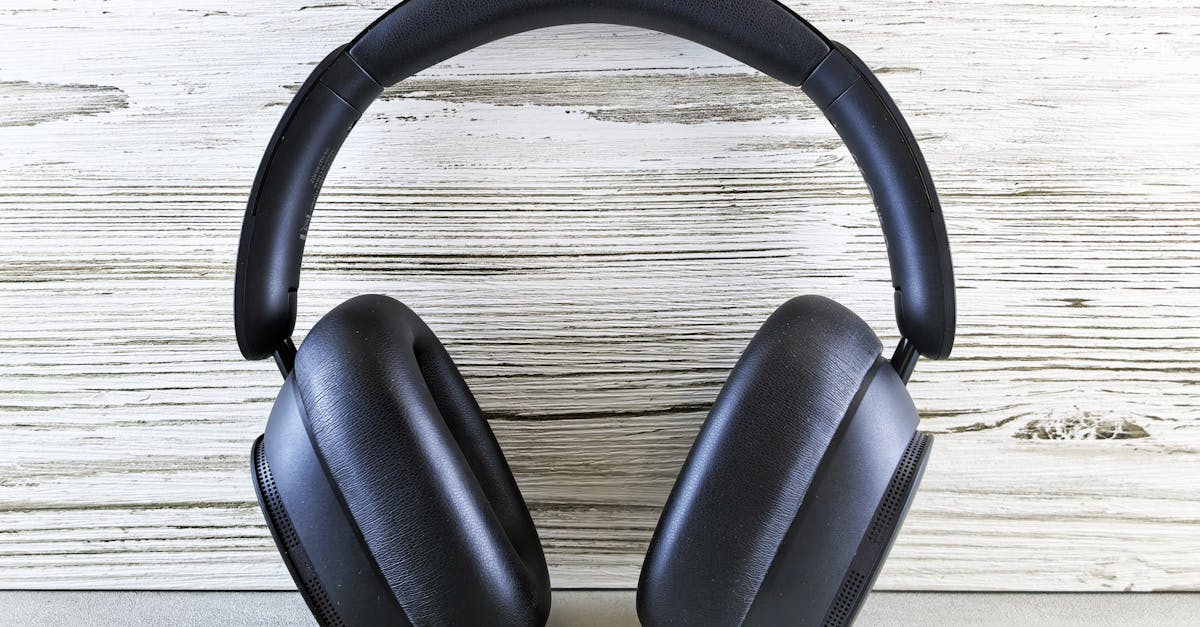
You’ve been there: desperate for a sliver of peace on a noisy commute, in an open-plan office, or just trying to focus at home with kids and pets making their own symphony. You see those ‘noise-cancelling’ headphones advertised at an enticing price point, promising an oasis of calm. You buy them, full of hope, only to find that the roaring engine of the bus is still distinctly audible, your colleague’s phone conversation is merely muffled, and your own music sounds… thin.
In my experience, this disappointment is not just common; it’s the norm for budget noise-cancelling headphones. The marketing is often misleading, creating an expectation that a sub-$100 or even sub-$200 pair can magically transport you to a soundproof booth. The brutal truth is that true, effective noise cancellation is a complex technology, and cutting corners inevitably leads to a subpar experience. You’re not just paying for a brand name when you invest in higher-end models; you’re paying for engineering, advanced algorithms, and superior components that genuinely isolate you from unwanted sound. What most people get with budget options is a weak imitation, a slight hum that does more to annoy than to soothe. This article isn’t about shaming budget buyers; it’s about setting realistic expectations and guiding you to solutions that actually deliver on the promise of peace and quiet, even if it means a different approach or a smarter splurge.
Key Takeaways
- Budget noise-cancelling headphones primarily offer passive noise isolation, not true active noise cancellation (ANC).
- Effective ANC relies on advanced microphones, powerful processors, and quality earcups, which are expensive to implement.
- Hybrid ANC is superior to feedforward or feedback ANC for a broader range of noise reduction.
- Prioritize passive isolation (over-ear design, good seal) and understand the limitations of budget ANC for low-frequency hums.
- Consider alternative strategies like active noise-cancelling earbuds or investing in truly high-performance over-ear headphones.
The Fundamental Flaw: Passive vs. Active Noise Cancellation
The biggest misconception I encounter about ‘noise-cancelling’ headphones, especially at the budget end, is the conflation of passive noise isolation with active noise cancellation (ANC). These are two fundamentally different things, and budget models often rely heavily on the former while offering a very weak version of the latter. What actually works for real peace is understanding this distinction and prioritizing components that excel at both, or at least at the most effective one for your needs.
Passive Noise Isolation is purely physical. It’s how well the headphones themselves block sound by creating a physical barrier. Think of it like earplugs: the denser the material, the better the seal around your ear, the more sound is blocked. Good passive isolation comes from: a robust, over-ear design that fully cups your ears; high-quality, dense earcup materials (like memory foam) that don’t let sound leak through; and, critically, a tight, comfortable seal against your head. Budget headphones can sometimes do a decent job here, particularly if they prioritize bulky earcups. However, they often skimp on material quality, leading to less dense foam or thinner plastic that still allows sound to penetrate.
Active Noise Cancellation (ANC) is where the magic (or lack thereof, in budget models) happens. This technology uses microphones to detect ambient noise, then generates an ‘anti-noise’ sound wave that precisely cancels out the incoming sound. For ANC to work effectively, it requires several high-performing and often expensive components:
- High-Quality Microphones: These need to accurately capture the specific frequencies and amplitude of the incoming noise. Cheap microphones often pick up too much distortion or aren’t sensitive enough across the necessary frequency range.
- Powerful Digital Signal Processors (DSPs): These tiny computers analyze the sound in real-time and rapidly generate the anti-noise wave. This is a highly complex computational task, and a weak or slow DSP leads to latency, imprecise cancellation, and often a noticeable ‘hiss’ or ‘pressure’ sensation.
- Sophisticated Algorithms: The software that powers the DSP needs to be extremely refined to intelligently identify and cancel various types of noise, from constant hums (like airplane engines) to intermittent voices. Developing these algorithms requires significant R&D.
My experience has shown that budget headphones almost always compromise on these three critical components. They might have a basic ANC circuit, but it’s often only effective at a very narrow band of low-frequency, constant hums – like a distant air conditioner. As soon as you introduce human voices, irregular traffic noise, or even higher-frequency fan noise, their ANC falls apart, becoming ineffective or even introducing more distracting artifacts. What you’re left with is essentially a pair of headphones with decent passive isolation (if you’re lucky) and a ‘cancel culture’ feature that barely makes a dent.
The Hidden Cost of Cheap ANC: Inferior Mic Placement and Processing
When I first started experimenting with noise-cancelling headphones years ago, I fell for the trap of buying a mid-range pair hoping to escape office chatter. What I quickly learned was that ANC isn’t a single, uniform technology. There are different implementations, and budget headphones almost universally opt for the least effective ones. The hidden costs here aren’t just monetary; they’re in your missed focus, your increased frustration, and the constant disappointment that they just don’t work.
There are three main types of ANC microphone placement, and their effectiveness varies wildly:
- Feedforward ANC: This is the simplest and often cheapest to implement, and thus, most common in budget models. Microphones are placed outside the earcup, listening to the ambient noise before it reaches your ear. The anti-noise wave is then generated and sent to the speaker inside the earcup. The problem? By the time the external microphone picks up the sound and the processing unit generates the anti-noise, the original sound has already begun to pass through the earcup. This leads to less accurate cancellation and often struggles with higher frequencies and sudden changes in noise. In my experience, these are the headphones that make you wonder if the ANC is even on, or if it’s just a placebo button.
- Feedback ANC: Here, microphones are placed inside the earcup, listening to the sound after it has already passed through the earcup and is in your ear canal. This allows the system to be much more accurate in canceling out the remaining noise, as it can directly detect what your ear is actually hearing. However, the downside is that it can sometimes interfere with your audio quality and is more prone to producing an ‘anti-noise’ hum if not perfectly calibrated. It’s also more complex and therefore more expensive to implement well.
- Hybrid ANC: This is the gold standard, and the technology found in truly effective noise-cancelling headphones (think high-end Sony or Bose models). It combines both feedforward and feedback microphones. The external mics handle a wide range of ambient noise, while the internal mics fine-tune the cancellation based on what’s actually reaching your ear. This dual approach provides the broadest and most effective noise reduction, without sacrificing audio quality. It’s significantly more complex and expensive, which is why you won’t find genuinely good hybrid ANC in budget models.
Budget headphones almost exclusively use simple feedforward ANC, or a very poor version of feedback ANC. The processors are slow, the algorithms are basic, and the resulting noise cancellation is often minimal, especially for the mid-to-high frequencies that constitute human speech or general office din. I’ve often found that activating ANC on such models introduces a faint, distracting hiss of its own, doing more harm than good to the overall listening experience. The ‘hidden cost’ is not just in the money spent, but in the dashed hopes of finding peace and quiet, and the lingering frustration that the product simply doesn’t deliver on its core promise.
Sound Quality Compromises: Where Budget ANC Fails Your Ears
Beyond the disappointing noise cancellation, budget ANC headphones often make significant compromises in sound quality. This is a critical point that many overlook, assuming that as long as some noise is blocked, their music or podcasts will sound better. In reality, the opposite is often true. What has changed everything for me in evaluating headphones isn’t just how much noise they block, but how enjoyable the audio experience remains after the cancellation is applied.
Effective ANC, particularly in budget models, can introduce artifacts and coloration to your audio. This happens because the anti-noise signal isn’t perfectly clean or synchronized. The processing required to generate anti-noise can impact the clarity, bass response, and overall fidelity of your music. I’ve frequently observed the following issues with cheaper ANC headphones:
- Muddied Bass: The low frequencies are often where ANC attempts to do most of its work. In budget models, this can lead to the bass in your music sounding less defined, boomy, or simply disappearing altogether. The delicate balance of frequencies is disrupted, making your favorite tracks sound flat or unpleasant.
- Compressed Mids and Highs: The less sophisticated processors struggle to differentiate between ambient noise and the intricacies of your audio. This can result in a compressed soundstage where vocals lack presence and high-frequency details (like cymbals or acoustic guitar strings) become harsh or disappear.
- The ‘Pressure’ Sensation: Many budget ANC headphones create a noticeable pressure or vacuum-like feeling in your ears. This isn’t just uncomfortable; it can actively distort how you perceive sound, making the entire experience fatiguing rather than relaxing.
- Inconsistent Performance: The sound quality can fluctuate depending on whether ANC is on or off, or even in different noisy environments. This inconsistency makes it hard to truly enjoy your audio, as you’re constantly adjusting to a changing sound profile.
What I wish I knew before starting my headphone journey was that a truly great audio experience with ANC means the ANC should be transparent – you shouldn’t hear it working, only the absence of external noise and the pristine delivery of your chosen audio. Budget models rarely achieve this. Instead, they often trade one form of auditory distraction (ambient noise) for another (poor sound quality and ANC artifacts).
The engineers developing high-end ANC headphones spend countless hours tuning the audio profile to compensate for the ANC technology, ensuring that the sound remains natural and enjoyable. This level of refinement simply isn’t present in budget options, where the primary goal is often just to claim noise cancellation, not to deliver a genuinely superior listening experience.
Battery Life and Durability: Sacrifices You Can’t Afford
Two practical considerations that often go overlooked in the pursuit of cheap noise-cancelling headphones are battery life and durability. In my experience, these are areas where budget models make significant sacrifices, leading to frustration and ultimately, a shorter lifespan for your investment. What actually works for long-term satisfaction isn’t just initial cost, but how well a product holds up to daily use and sustains its core function.
Battery Life: Active noise cancellation is a power-hungry feature. The microphones, the DSP, and the amplification required to generate anti-noise all draw significant power. Higher-end headphones typically boast impressive battery life, often 20-30 hours with ANC activated. This is thanks to efficient chipsets and larger, higher-quality battery cells. Budget headphones, however, tend to skimp on both.
I’ve found that many cheaper ANC models offer dramatically less battery life, sometimes as low as 8-12 hours with ANC on. This means more frequent charging, which can be a major inconvenience, especially on long flights or during a full workday. Furthermore, the quality of the battery cells in budget headphones can be lower, leading to faster degradation over time. A battery that barely lasts a full day after a few months is a significant drain on the user experience and, ultimately, your wallet when you have to replace the headphones sooner.
Durability: The components required for effective ANC (microphones, intricate wiring, processing boards) are delicate. High-end headphones often encase these components in robust, well-engineered chassis using premium materials. Budget headphones, by contrast, frequently use cheaper plastics and less robust construction. This translates to several common failure points:
- Broken Hinges and Headbands: The most common physical failure I see in budget headphones is flimsy hinges or headbands that crack under normal stress, often after just a few months of regular use.
- Frayed Cables: The internal wiring, particularly for the ANC microphones, can be thin and prone to damage from repeated flexing or minor impacts.
- Worn Earpads: The materials used for earpads are often of lower quality, leading to premature tearing, flaking, or compression. This not only makes the headphones uncomfortable but also severely degrades their passive noise isolation, rendering the already weak ANC even less effective.
My take is that a product that fails prematurely, even if initially cheap, ends up being more expensive in the long run due to the need for replacement. The initial savings are quickly negated by the hidden costs of short battery life and poor build quality. What changed everything for me was realizing that sometimes, the ‘cheaper’ option is the most wasteful, both financially and environmentally, when it fails to provide lasting value or peace of mind.
Prioritizing Solutions That Actually Deliver Quiet
If budget noise-cancelling headphones are largely a disappointment, what actually works for real quiet? My approach has always been to prioritize solutions that reliably deliver on their promise, understanding that sometimes this means looking beyond the ‘ANC’ label or making a strategic investment. The mistake I see most often is people sticking to the idea that cheap ANC is their only option.
1. Focus on Superior Passive Noise Isolation (for consistent low-mid frequency blocking):
For many noisy environments, particularly those with constant, predictable sounds (like office hum, fans, or mild traffic), excellent passive noise isolation can be just as, if not more, effective than weak ANC. This involves:
- Over-Ear Design with Excellent Seal: Look for headphones with large, comfortable earcups that completely enclose your ears. The earpad material is crucial – plush memory foam or protein leather that creates a tight but comfortable seal against your head will physically block a surprising amount of sound. This is often available in non-ANC studio monitoring headphones that prioritize isolation for recording or mixing. While they won’t cancel low-frequency rumble, they’ll make voices and higher-frequency sounds significantly less intrusive.
- Closed-Back Design: Ensure the headphones are closed-back, meaning the outer shell of the earcup is solid, preventing sound from leaking in or out.
2. Strategic Investment in High-Performance ANC (for travel and extreme noise):
If you truly need to silence airplane engines, loud train commutes, or a truly chaotic office, there’s no substitute for genuinely high-performance ANC. This means budgeting for premium brands like Bose or Sony. Their hybrid ANC technology, combined with advanced processing and superior build quality, delivers a level of quiet that budget models simply cannot achieve. While these are a significant upfront investment (often $200-$400+), the long-term benefit in terms of peace, focus, and durability is, in my experience, absolutely worth it. Consider the cost-per-hour of peace: a $300 pair lasting 3 years of daily use is far more valuable than three $80 pairs that fail within a year and never truly satisfied.
3. Consider Active Noise-Cancelling Earbuds (for portability and specific use cases):
For those who prefer a more portable solution or find over-ear headphones too bulky, high-quality active noise-cancelling earbuds have made incredible strides. Models from Apple (AirPods Pro), Sony, and Bose now offer surprisingly effective ANC in a tiny form factor. Their in-ear fit naturally provides good passive isolation, which the ANC then augments. While not quite as powerful as premium over-ear headphones, they are often far superior to budget over-ear ANC options, particularly for voices and environmental sounds. I use my ANC earbuds for quick trips to the grocery store, short walks, or when I need to quickly mute the world without putting on a full headset.
4. Combine Passive Isolation with White Noise/Brown Noise:
This is a low-tech, highly effective strategy. Wear comfortable, passively isolating headphones or even high-quality earplugs, and then play a continuous stream of white noise or brown noise through them (or even external speakers, if you’re alone). The consistent, broadband noise masks other sounds, creating a surprisingly effective sound barrier. This method leverages the psychoacoustic principle of masking, and it’s a remarkably affordable way to achieve focus and quiet without relying on expensive, complex ANC technology. I’ve found this approach incredibly effective for tasks requiring deep concentration, even in moderately noisy environments, and it doesn’t suffer from the audio compromises of weak ANC.
Ultimately, what works is a pragmatic approach. Don’t chase the cheapest ‘ANC’ label hoping for a miracle. Understand the technology, prioritize genuine sound blocking (both passive and active), and be willing to invest where it truly matters, or explore alternative, proven methods for creating your personal sanctuary of quiet.
Frequently Asked Questions
Q: Why do budget noise-cancelling headphones sometimes make a hissing sound?
A: This ‘hiss’ is a common artifact of less sophisticated active noise cancellation (ANC) circuits, particularly in feedforward ANC designs. It’s the anti-noise signal itself, which, without precise tuning and powerful processors, can become audible, especially when there’s less ambient noise for it to actively cancel. It’s a sign that the cancellation isn’t transparent or highly refined.
Q: Can cheap noise-cancelling headphones protect my hearing?
A: While they reduce some ambient noise, budget noise-cancelling headphones are not designed as hearing protection devices and should not be relied upon for this purpose, especially in very loud environments like construction sites or concerts. Their primary function is comfort and focus, not safeguarding against hearing damage. For true hearing protection, specialized earplugs or earmuffs with certified noise reduction ratings (NRR) are required.
Q: Is there a noticeable difference between ANC on budget headphones and premium headphones?
A: Absolutely, the difference is substantial. Premium headphones (like Bose, Sony) use advanced hybrid ANC with superior microphones and processing, allowing them to cancel a much broader range of frequencies more effectively, including voices and sudden sounds. Budget ANC is often only minimally effective against constant, low-frequency hums and struggles significantly with varied or higher-frequency noises, sometimes even degrading sound quality.
Q: Do budget noise-cancelling headphones block out voices effectively?
A: Generally, no. Voices, particularly in the mid-to-high frequency range, are one of the most challenging sounds for active noise cancellation to combat effectively. Budget ANC systems are usually too basic to generate the precise anti-noise waves needed to cancel the complex, varied frequencies of human speech. For blocking voices, you’ll need high-end hybrid ANC or a combination of excellent passive isolation with white/brown noise masking.
Q: Are active noise-cancelling earbuds a better option than budget over-ear ANC headphones?
A: Often, yes. Good quality active noise-cancelling earbuds (from reputable brands) often leverage their in-ear seal for effective passive isolation, which their ANC then augments. This combined approach can frequently outperform budget over-ear ANC headphones, especially in portability and effectiveness against a wider range of noises. They also tend to be more discreet for daily use.
Conclusion
The allure of an affordable escape from noise is powerful, but when it comes to noise-cancelling headphones, my experience shows that ‘budget’ often translates to ‘disappointing.’ The complexities of true active noise cancellation are such that cutting costs inevitably compromises the very function you’re paying for. You end up with headphones that offer mediocre passive isolation at best, and a weak, often distracting imitation of ANC that falls flat against the cacophony of everyday life.
Instead of chasing the elusive dream of cheap, effective ANC, a smarter approach is to be pragmatic. Invest in solutions that actually work: prioritize headphones with superior passive isolation, save up for genuinely high-performance ANC from trusted brands if absolute quiet is your goal, or explore the surprising effectiveness of quality ANC earbuds. Don’t underestimate the power of combining passive isolation with auditory masking through white noise, either. The path to peace and focus isn’t found in marketing hype, but in understanding the technology and choosing tools that deliver real, tangible quiet. Choose wisely, and reclaim your auditory sanctuary.
Est. reading time: 17 min read
Filed By
Eleanor Vance
Productivity & Time Management
A former lifestyle editor with a keen eye for efficiency and personal development.